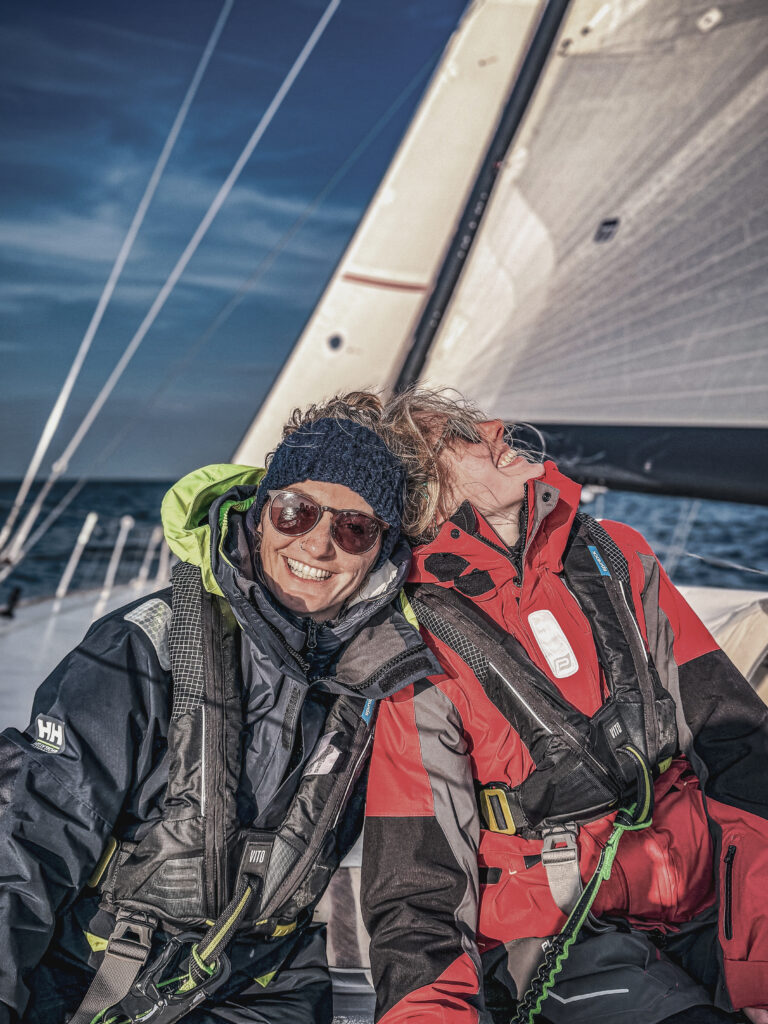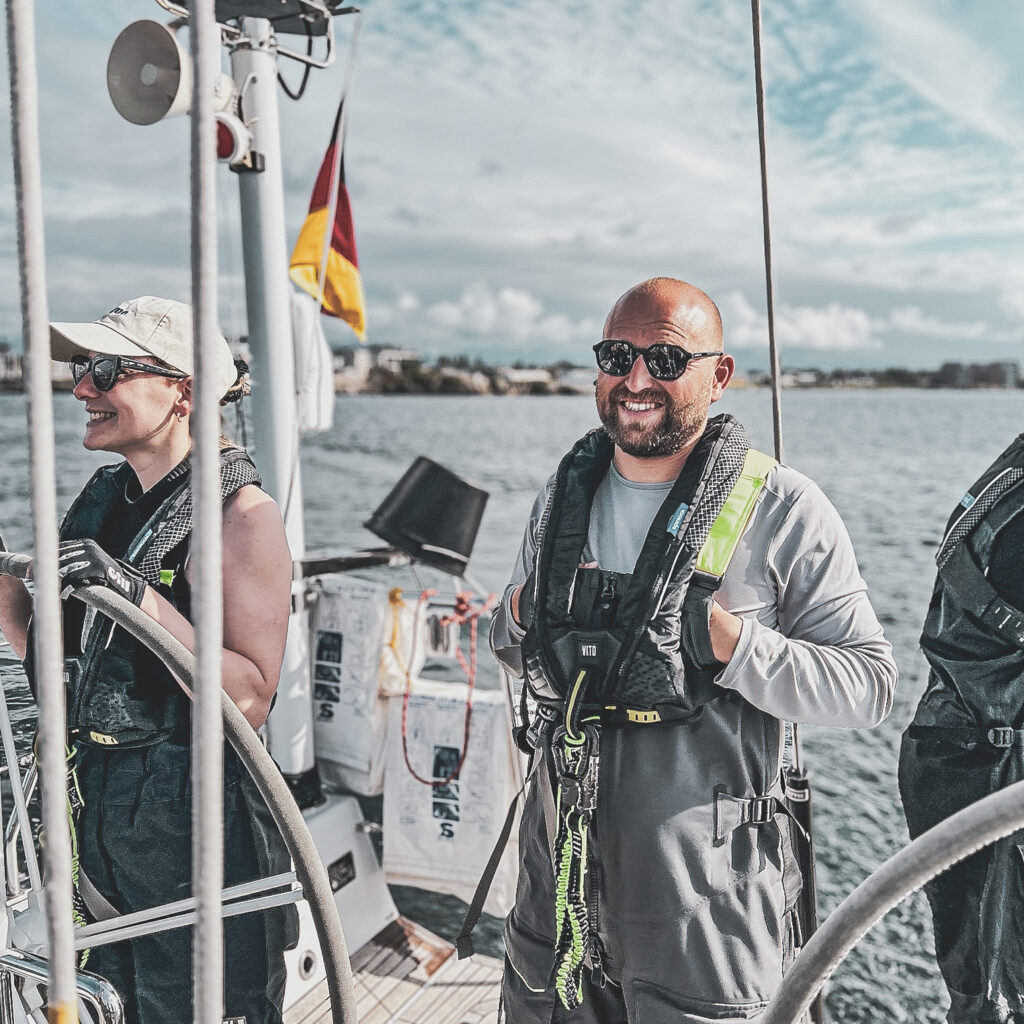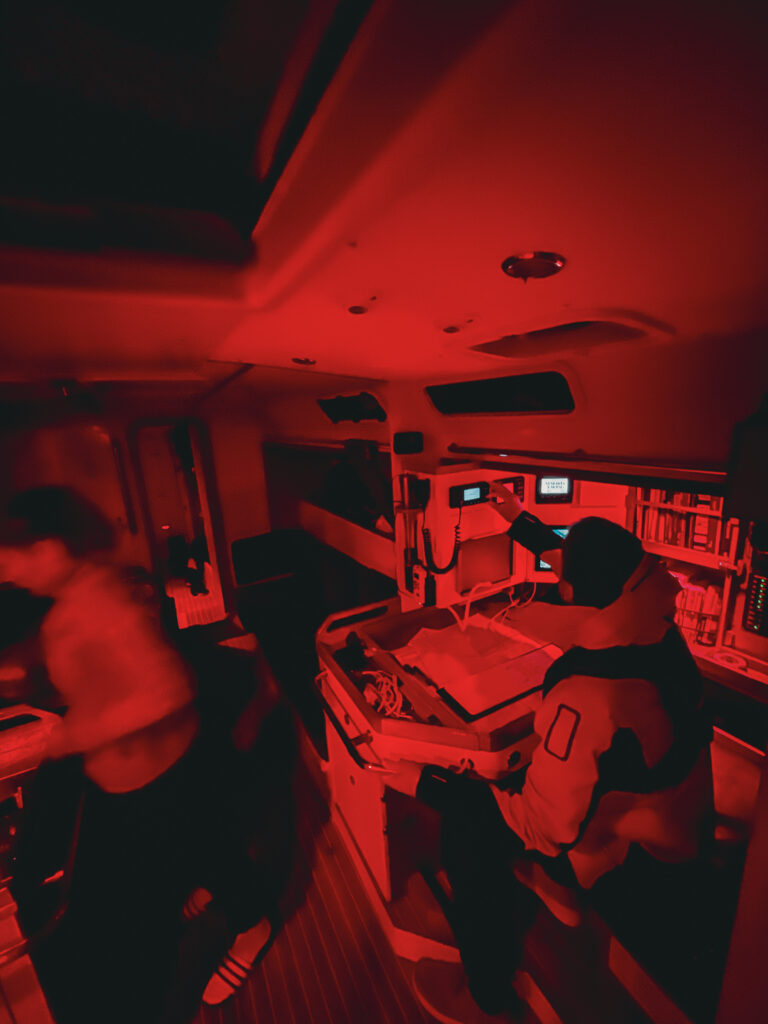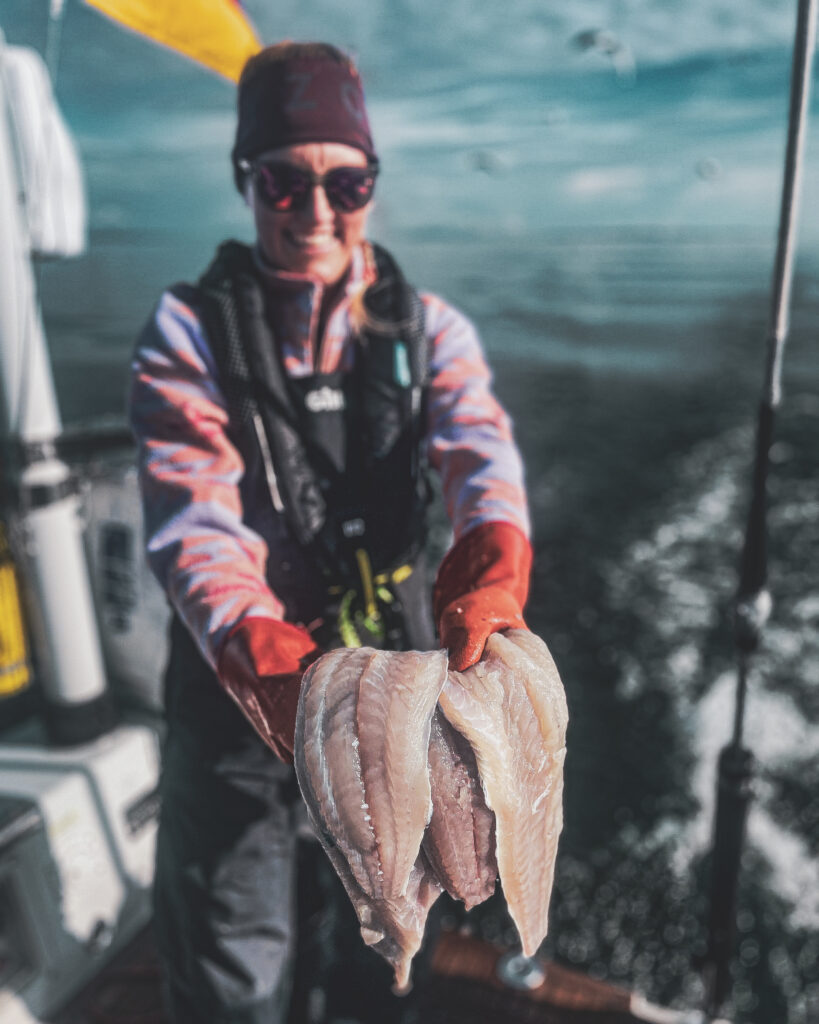


Our starting port is St. Katharine Docks in the heart of London. The marina is located in the center of the metropolis, right next to the iconic Tower Bridge.
From here, we wind our way 40 nautical miles up the Thames to its estuary. The passage will now be characterized by challenging navigation between sandbanks and strong tidal currents on the English Channel. Ramsgate is a good place to stop before crossing the Channel.
The English Channel, especially around Dover, is known for its extremely heavy traffic. We will have to navigate precisely between numerous traffic separation schemes – a sailing challenge that demands the utmost concentration.
Depending on the weather, we plan to cross the Channel from here towards France. Picturesque port cities like Dieppe, Le Havre, or Cherbourg in Normandy would be ideal for a shore leave. With a bit of luck, we might find fresh oysters at the local markets, which we can then enjoy on board.
Of course, a stop in one of these cities means that we'll have to sail non-stop for a few days before and after. But that's exactly what we want. We think it's the mix that makes it special. After all, we want to feel like we're discovering something new, both on the open sea and in our ports of call.
We should set aside one, if not two, days for the Solent. Why is the Solent one of the most challenging sailing areas in the world? In a relatively small area, we can experience all the textbook scenarios and simulate challenging situations every day. Considerable tidal currents and significant tidal ranges dictate the rhythm of our sailing day.
In the middle of the Solent lies Bramble Bank, a sandbank where cricket is sometimes even played at low tide. Welcome to England.
Our destination port is Town Quay Marina in Southampton. The entire length of this passage is approximately 400 nautical miles.